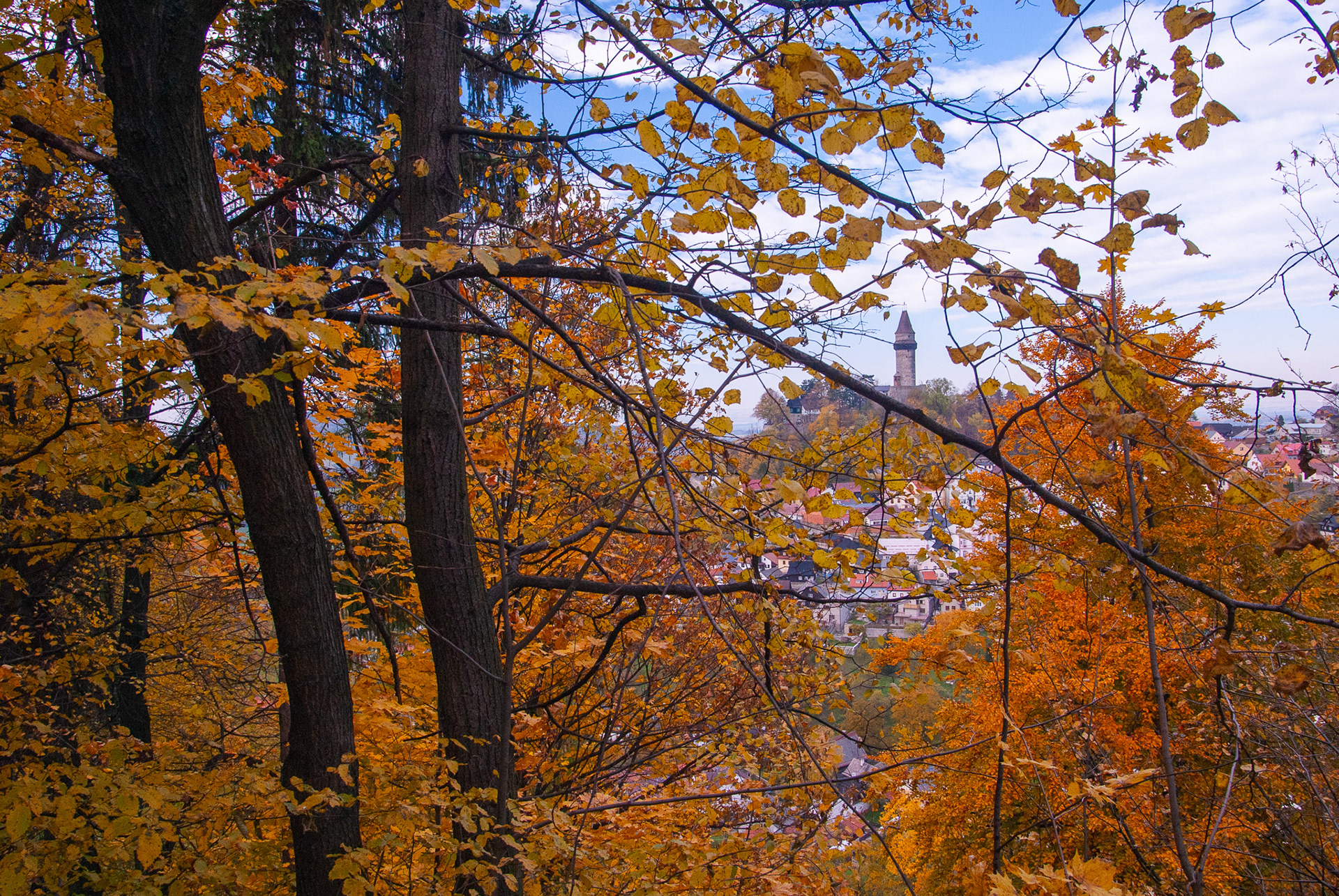
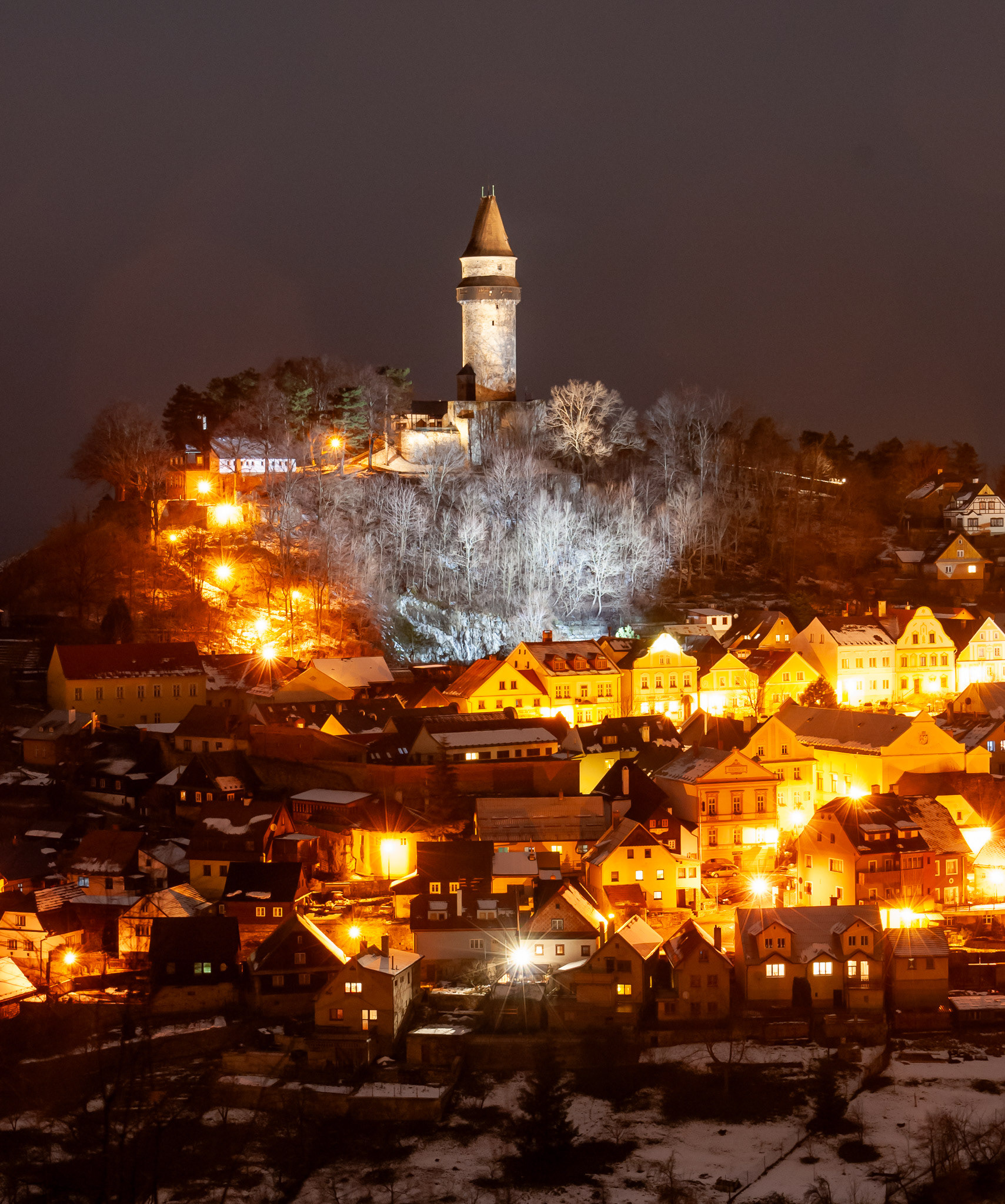
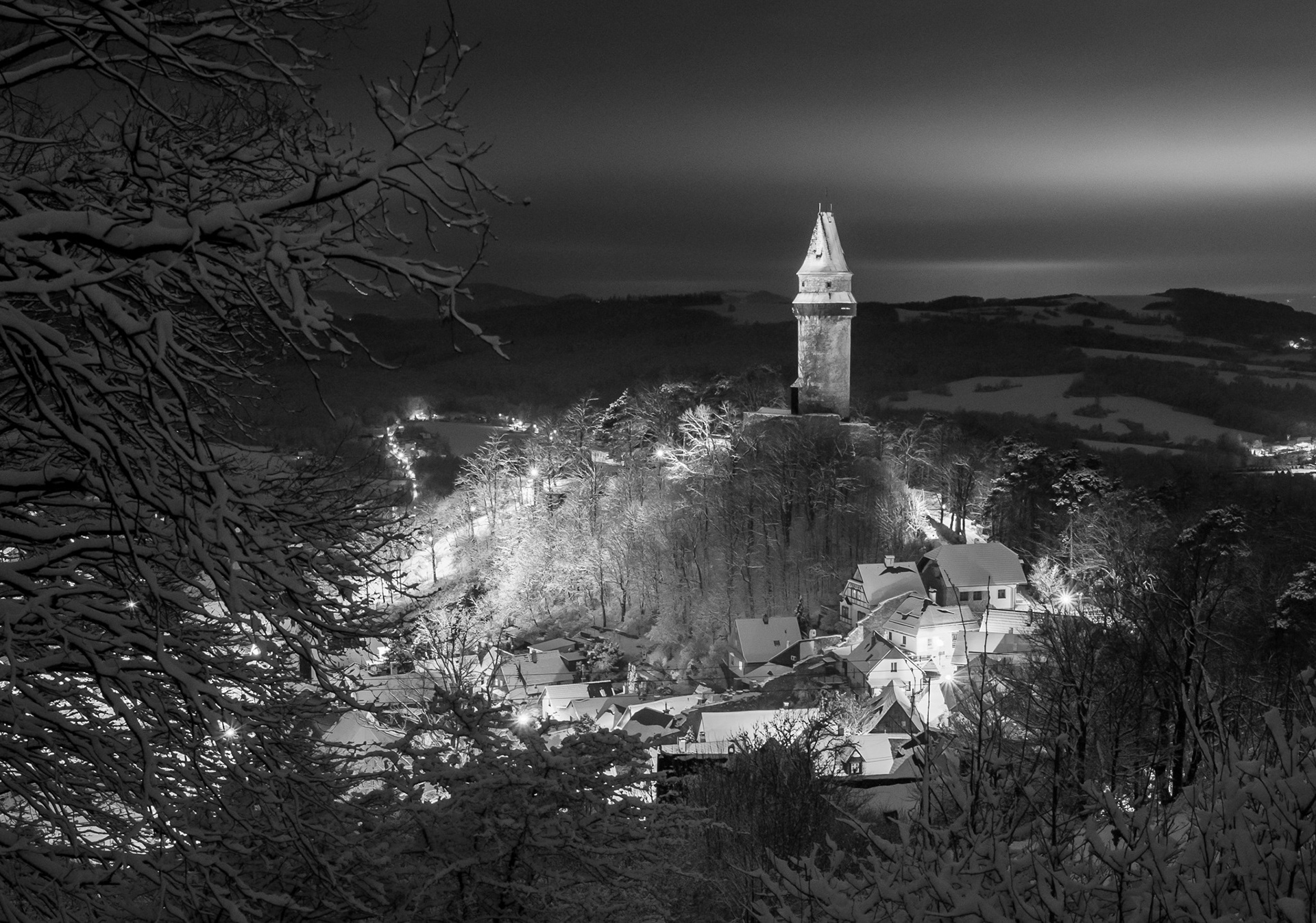
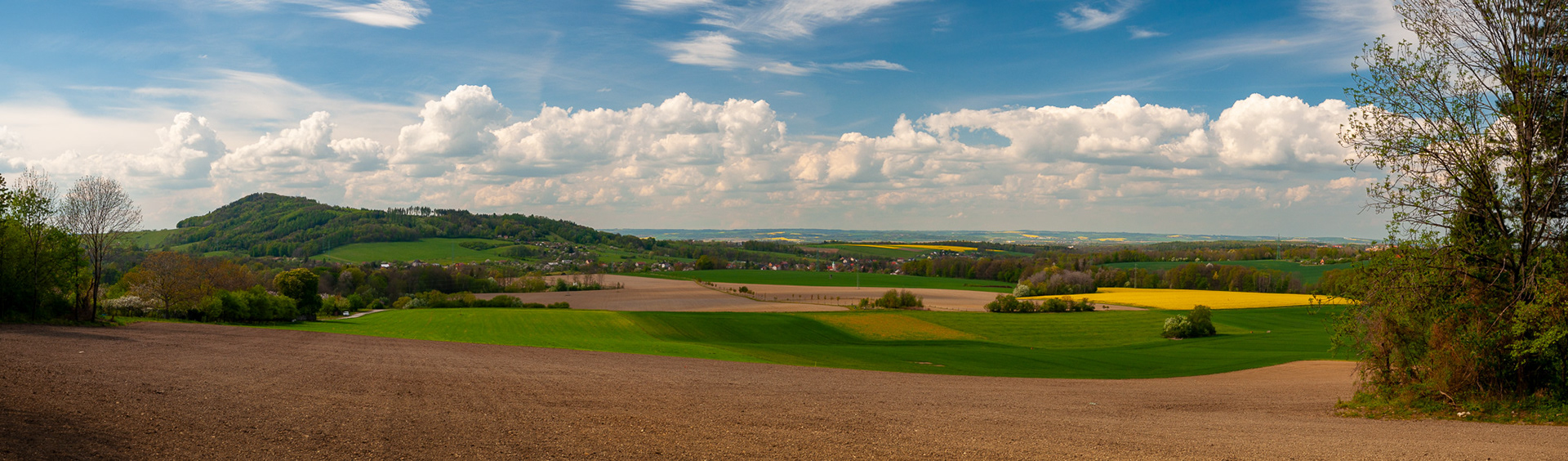
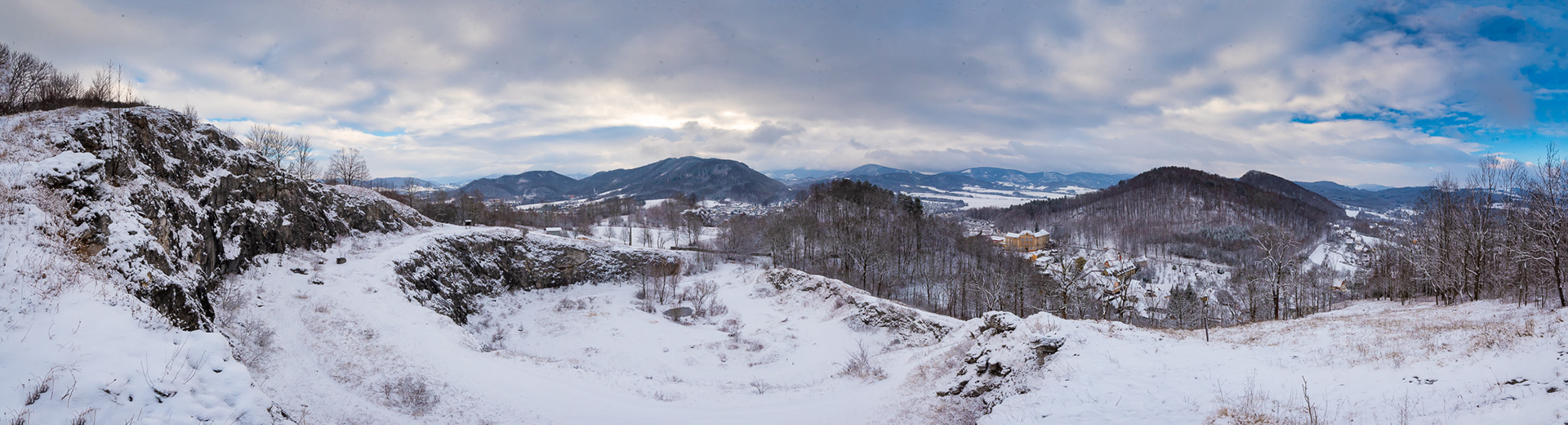
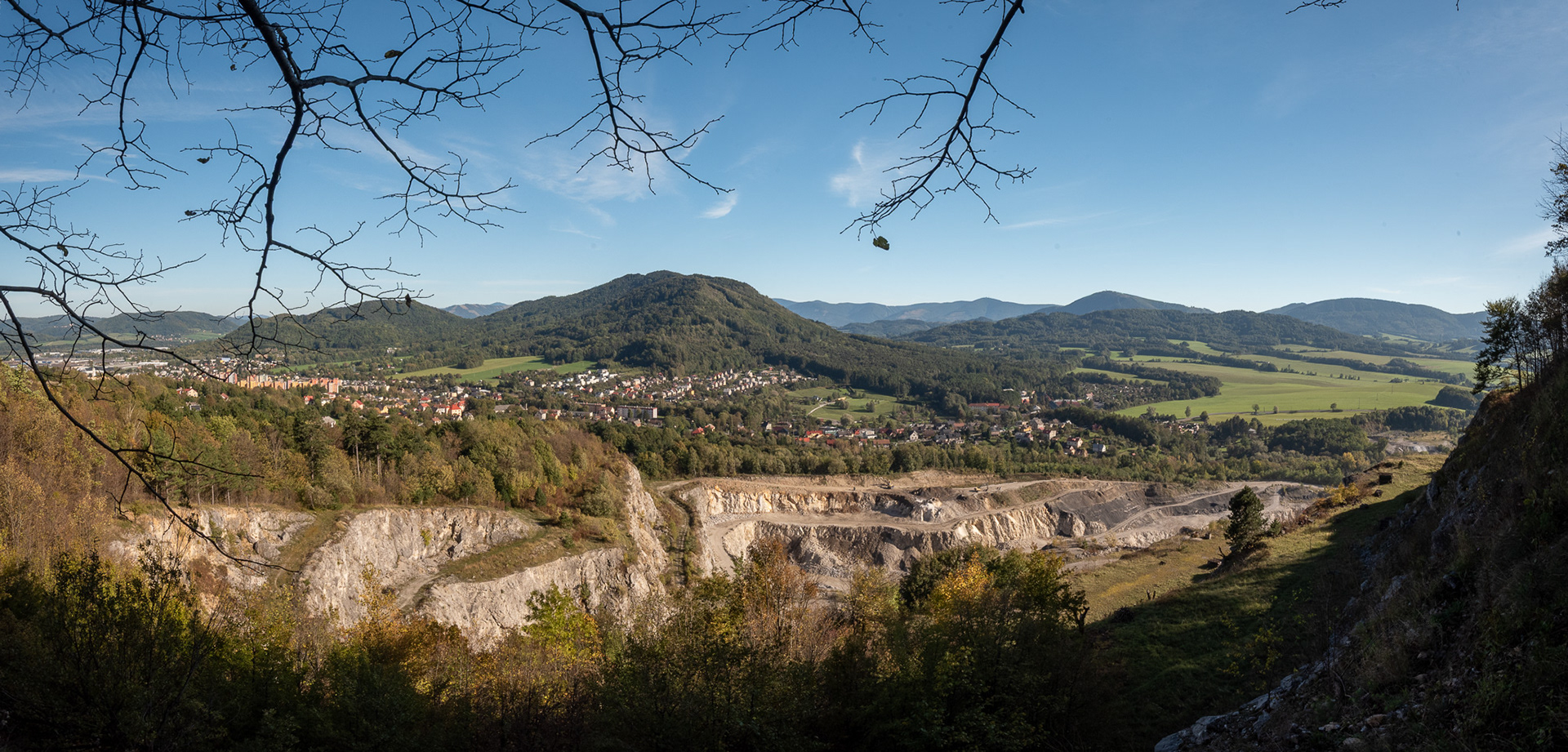
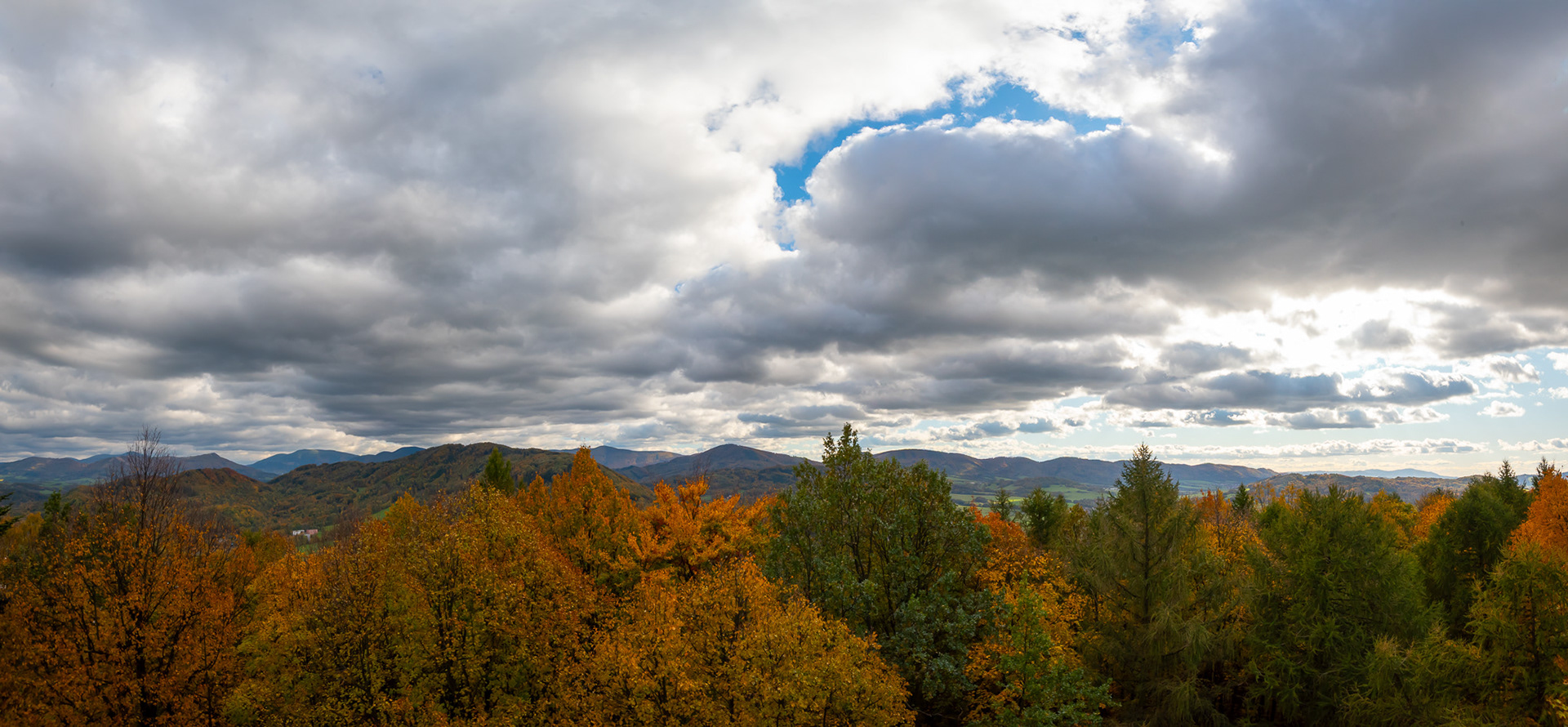
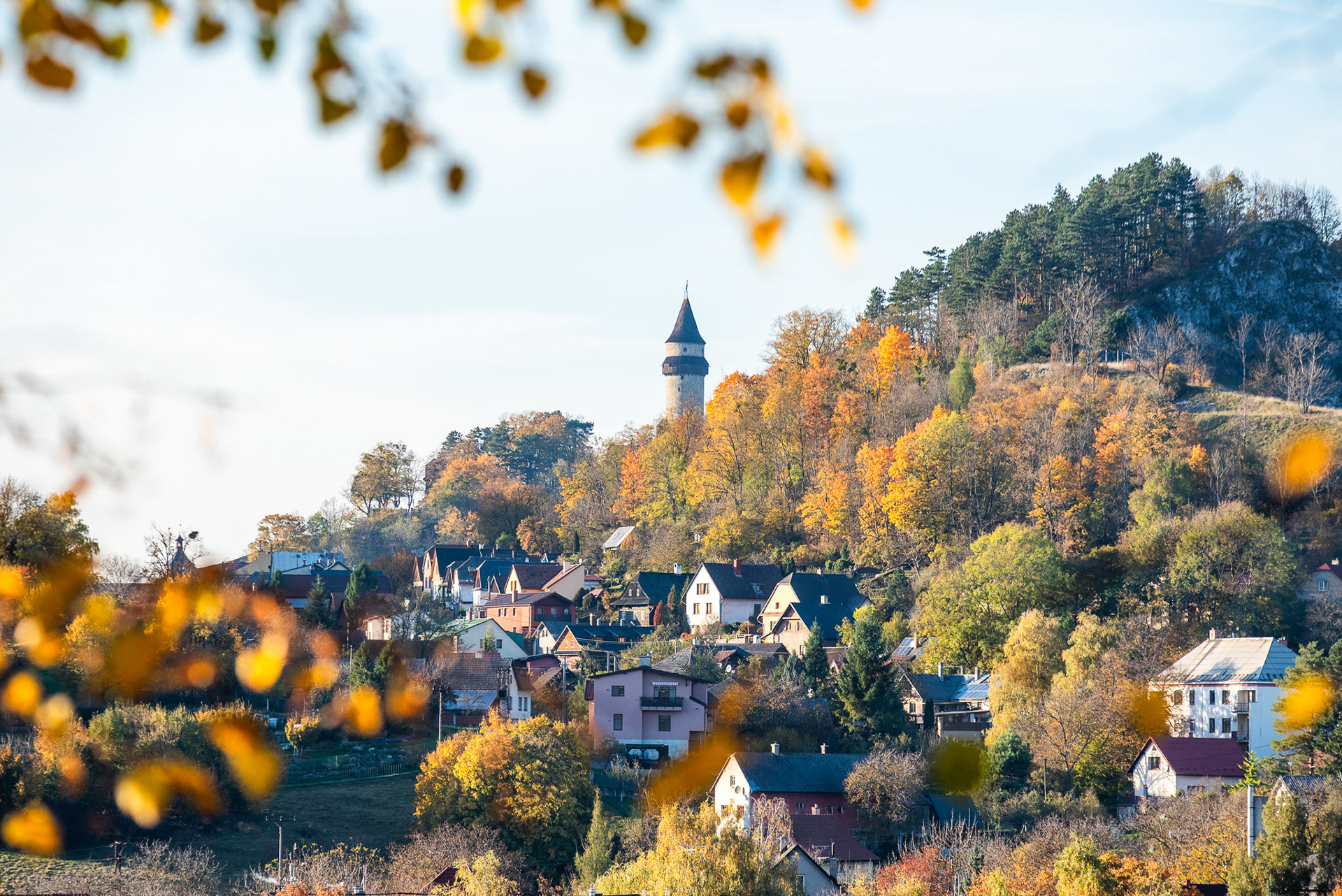
Štramberk, a picturesque town in the Moravian-Silesian Region, lies on the slopes of Zámecký Hill, Kotouč, and Bílá hora in the foothills of the Beskydy Mountains—often called the “Moravian Bethlehem” thanks to its unique landscape and historic core.
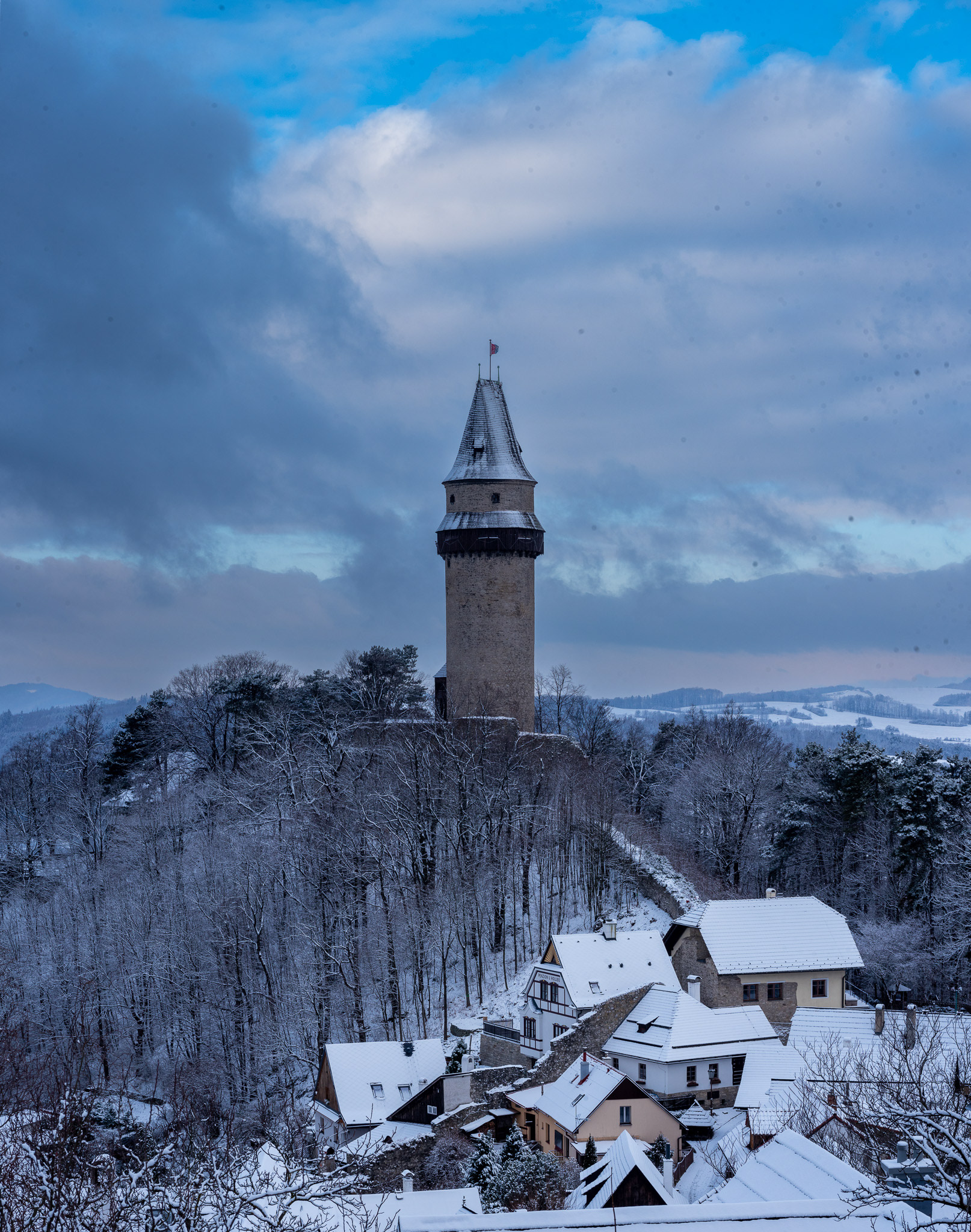
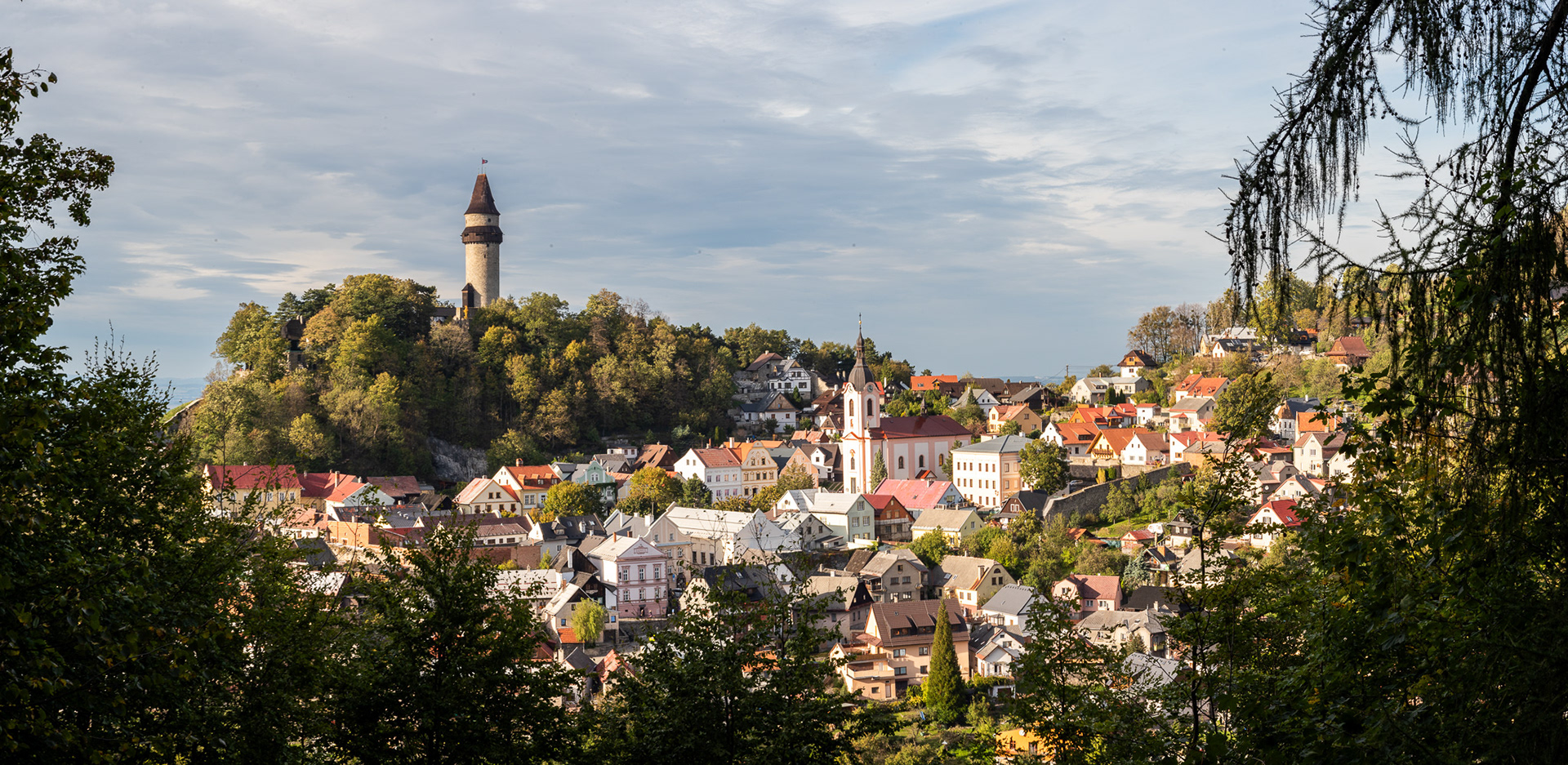
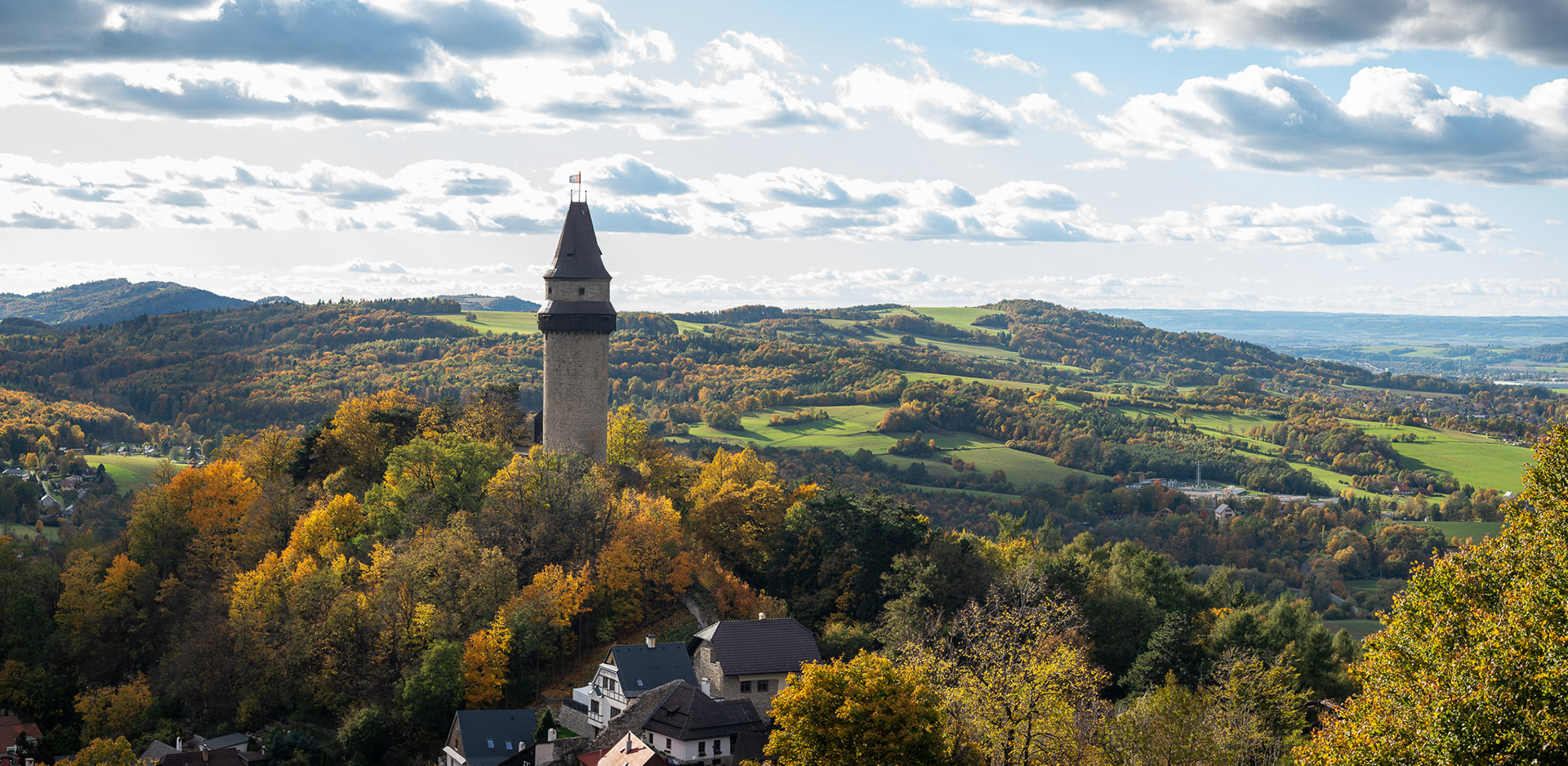
Dominating the town is Štramberská Trúba, originally the defensive tower of Strallenberg Castle from the late 13th century, now serving as a lookout point. The tower, about 40 m high and 9–10 m in diameter, stands on the site of the former bergfried, the last remnant of castle walls. It survived a collapse in 1783 and was reconstructed between 1901 and 1903 under the design of architect Kamil Hilbert.
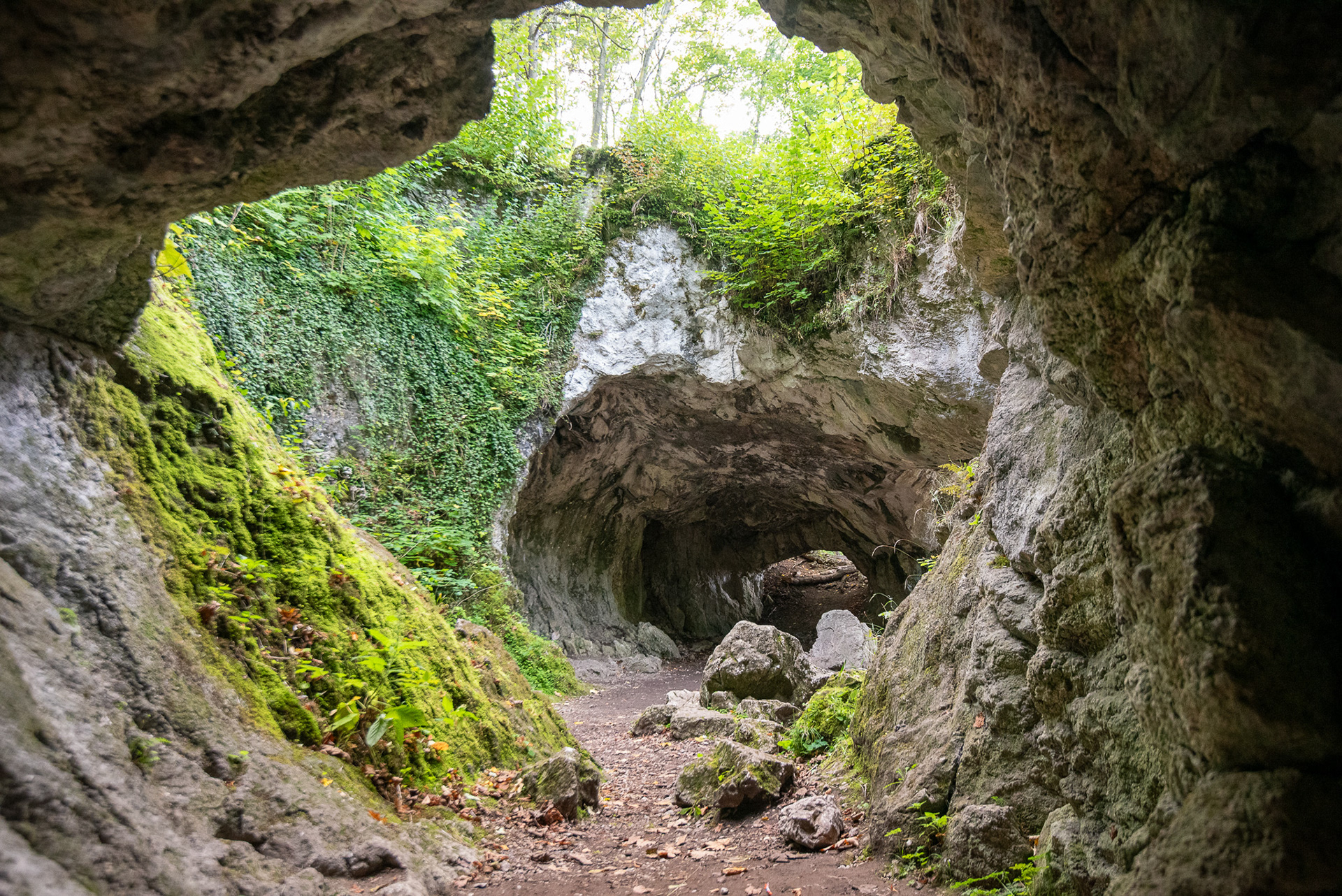
The town’s history is closely tied to the castle. Settlement on Kotouč Hill dates back to the Púchov culture and even the Neolithic era, with Neanderthal remains discovered in the Šipka Cave around 40,000 BC. The first written mention of the town comes from 1359, when Margrave John Henry of Luxembourg elevated the settlement to the status of a town named Strallenberg, granting it market, guild, brewing, and judicial rights.
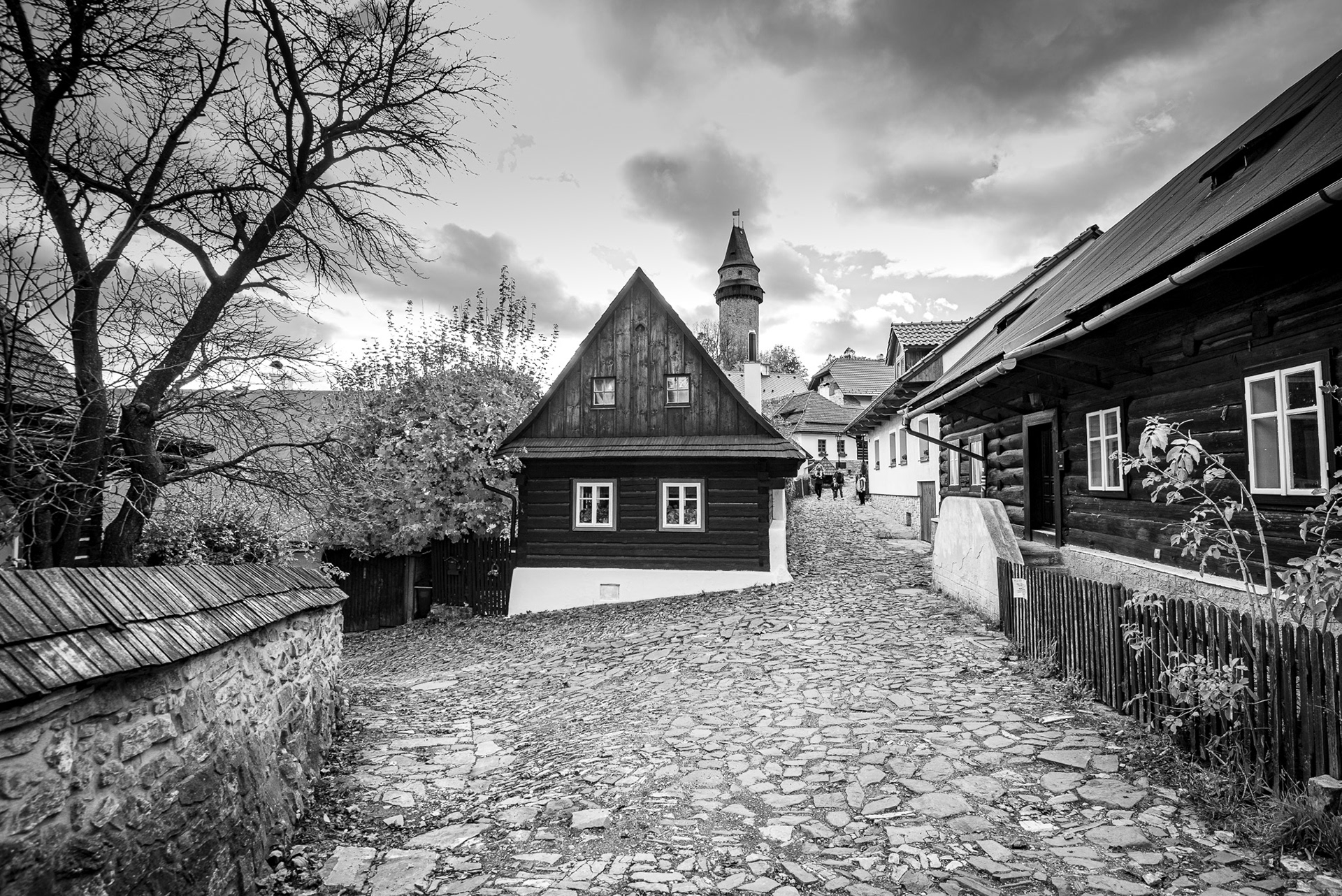
Today, Štramberk is renowned for its charming atmosphere and cultural spirit. Streets lined with timber houses from the 18th–19th centuries form a unique urban conservation area. The town keeps traditions alive, such as pilgrimages to Kotouč Hill dating back to the 17th century, linked to a legend of victory over the Tatars, and accompanied by the local sweet specialty—Štramberk Ears. Cultural identity is further enriched by the Zdeněk Burian Museum and a gallery of regional personalities, reflecting the proud local mindset rooted in history and nature.