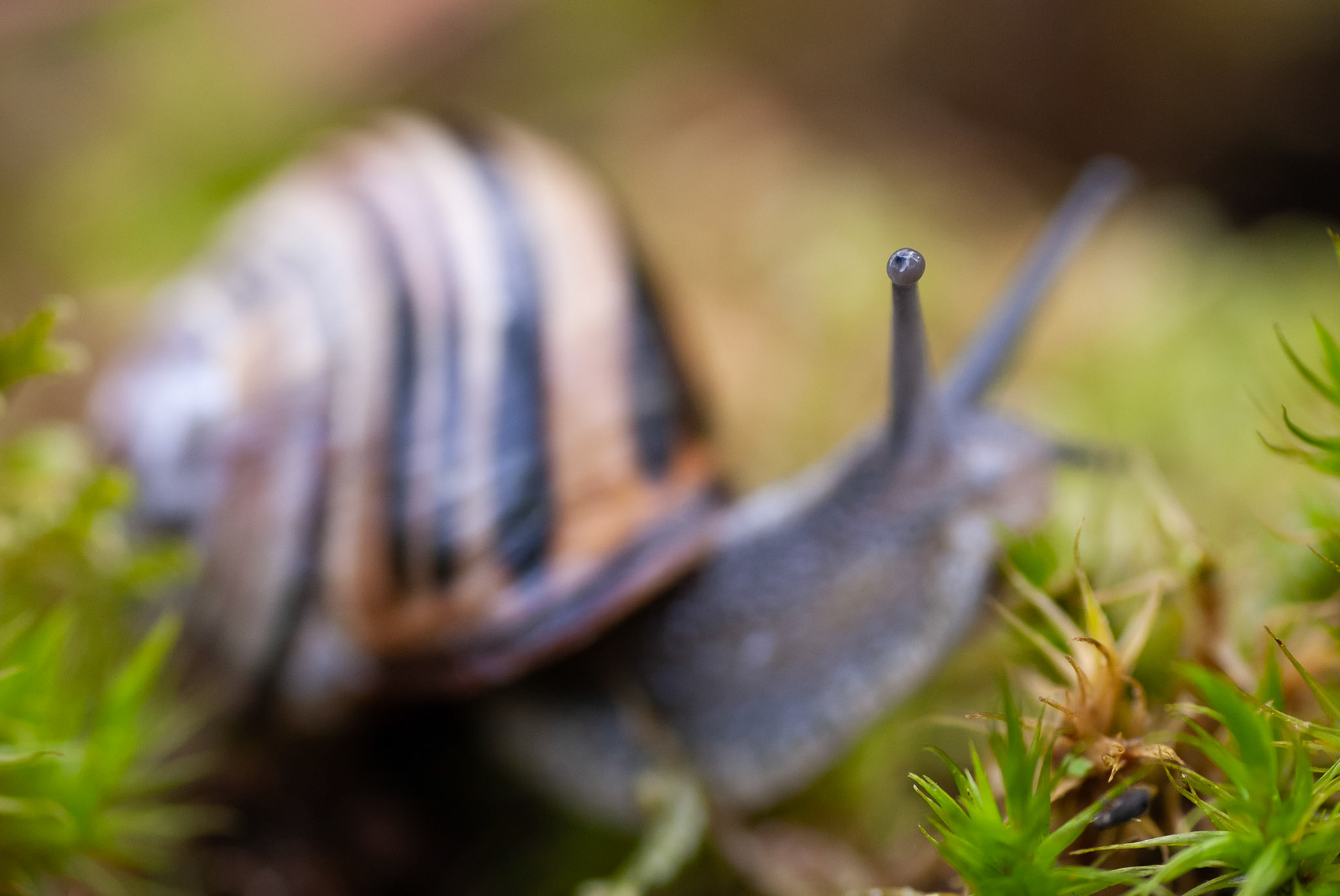
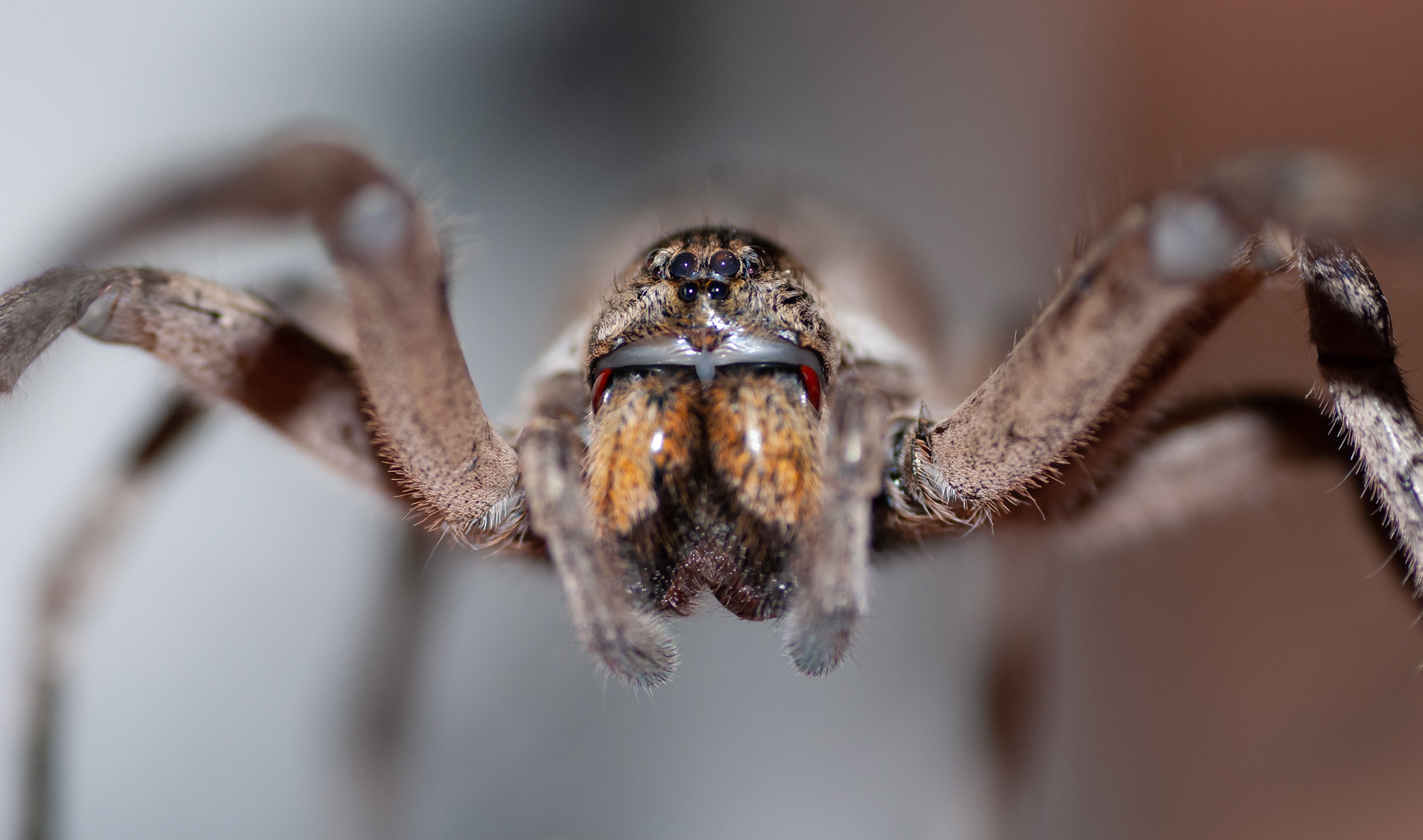
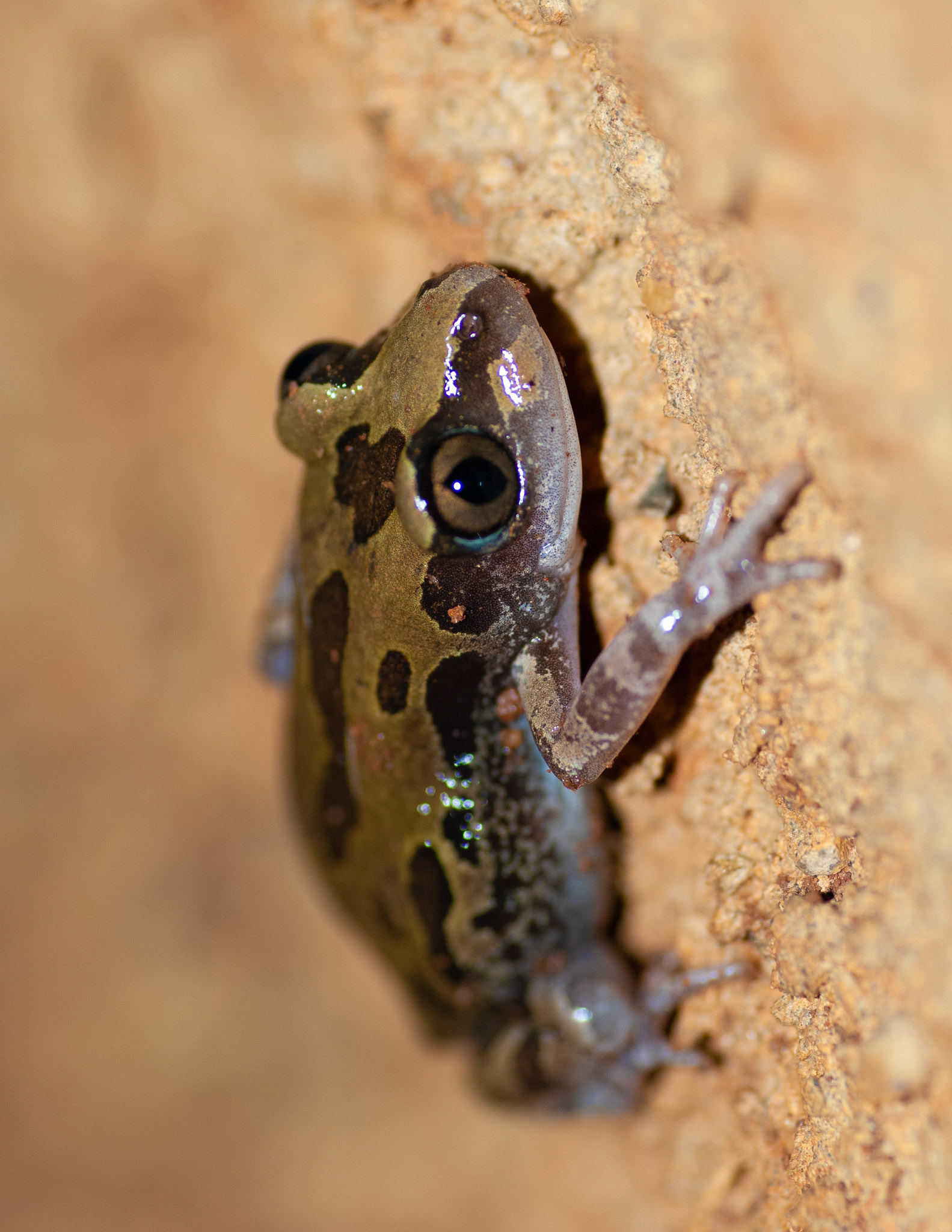
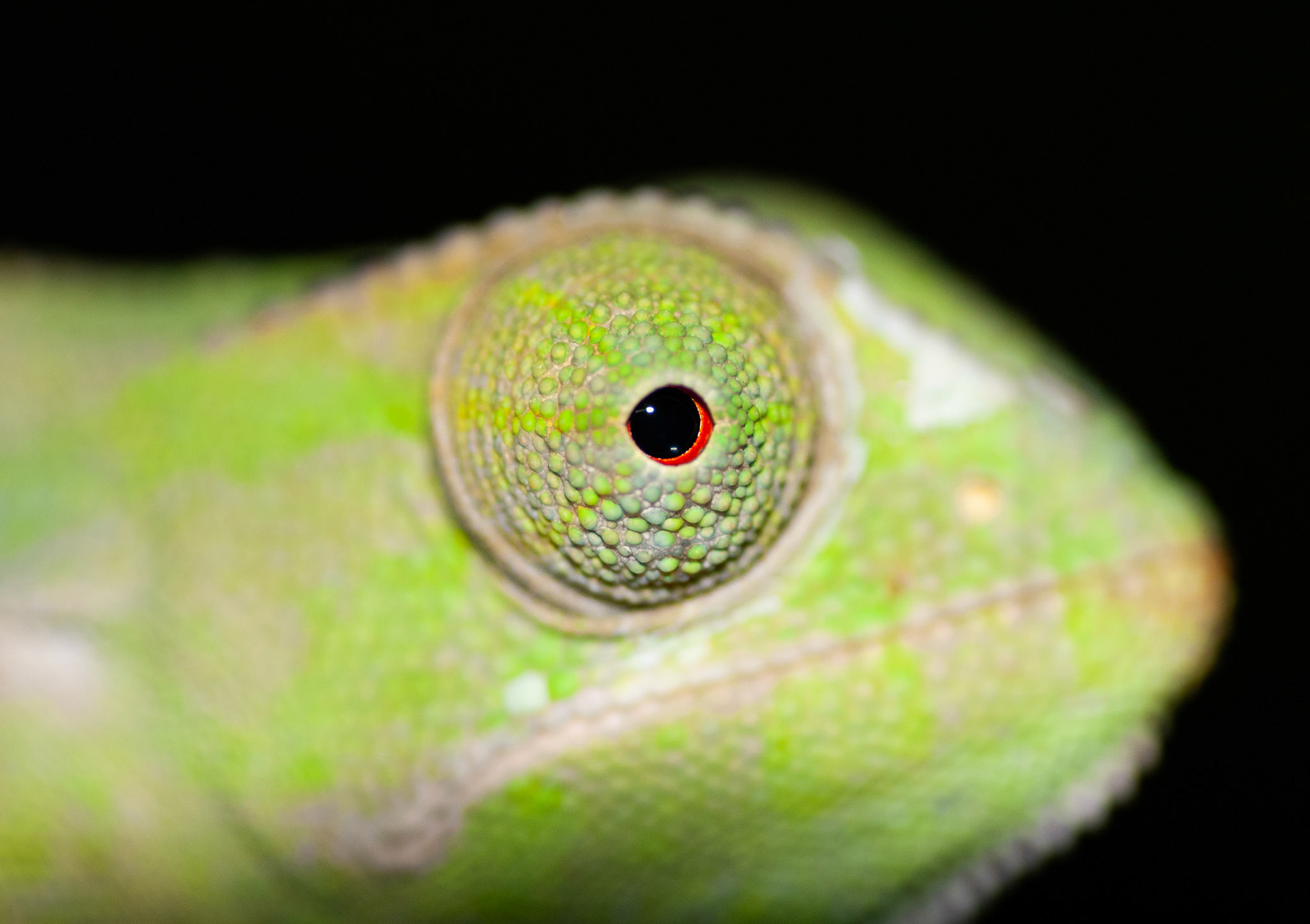
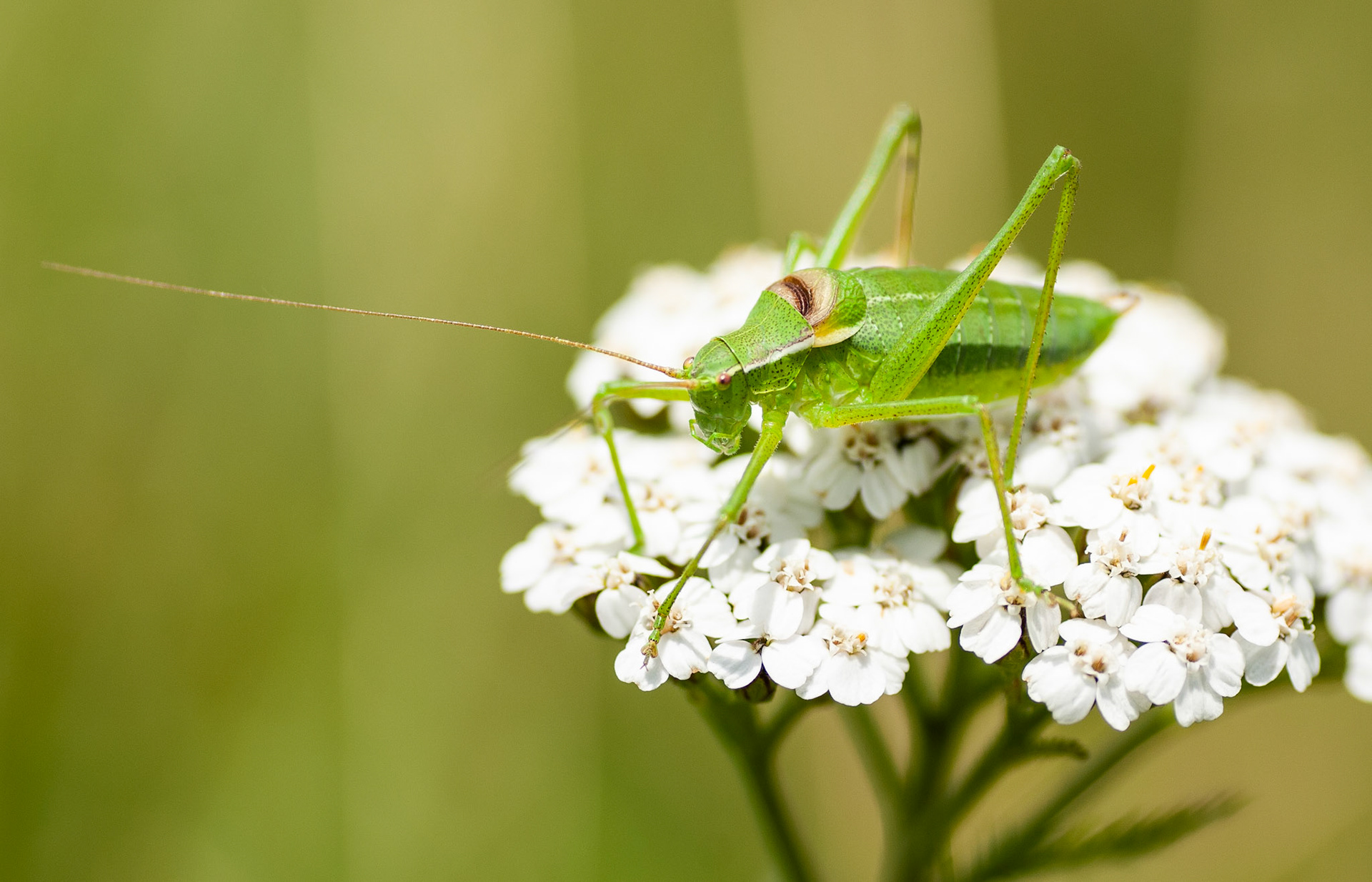
Macro photography opens a gateway into a world normally hidden from the human eye, revealing details so small and intricate that they transform the ordinary into the extraordinary. By magnifying subjects beyond everyday perception, macro images highlight textures, patterns, and structures that often go unnoticed — the delicate veins of a leaf, the crystalline geometry of minerals, or the complex features of tiny insects.
In the macro world, scale becomes fluid. Objects that appear insignificant in daily life suddenly fill the frame with dramatic presence. Colors intensify, shapes become abstract, and even the smallest movements take on new meaning. Macro photography slows time, allowing us to observe the precise moments when droplets cling to a surface, when a flower begins to unfurl, or when a miniature creature interacts with its environment.
This type of photography encourages patience, curiosity, and mindful observation. It requires the photographer to move gently, to study the subject closely, and to work with natural light and shallow depth of field to create images that feel intimate and immersive. Every macro photograph becomes a reminder that beauty and complexity exist at every scale — sometimes we simply need to look closer.
In the macro world, scale becomes fluid. Objects that appear insignificant in daily life suddenly fill the frame with dramatic presence. Colors intensify, shapes become abstract, and even the smallest movements take on new meaning. Macro photography slows time, allowing us to observe the precise moments when droplets cling to a surface, when a flower begins to unfurl, or when a miniature creature interacts with its environment.
This type of photography encourages patience, curiosity, and mindful observation. It requires the photographer to move gently, to study the subject closely, and to work with natural light and shallow depth of field to create images that feel intimate and immersive. Every macro photograph becomes a reminder that beauty and complexity exist at every scale — sometimes we simply need to look closer.